Generated date: 2026-07-20
Patio Doors: Specification Guide for Contractors and Developers
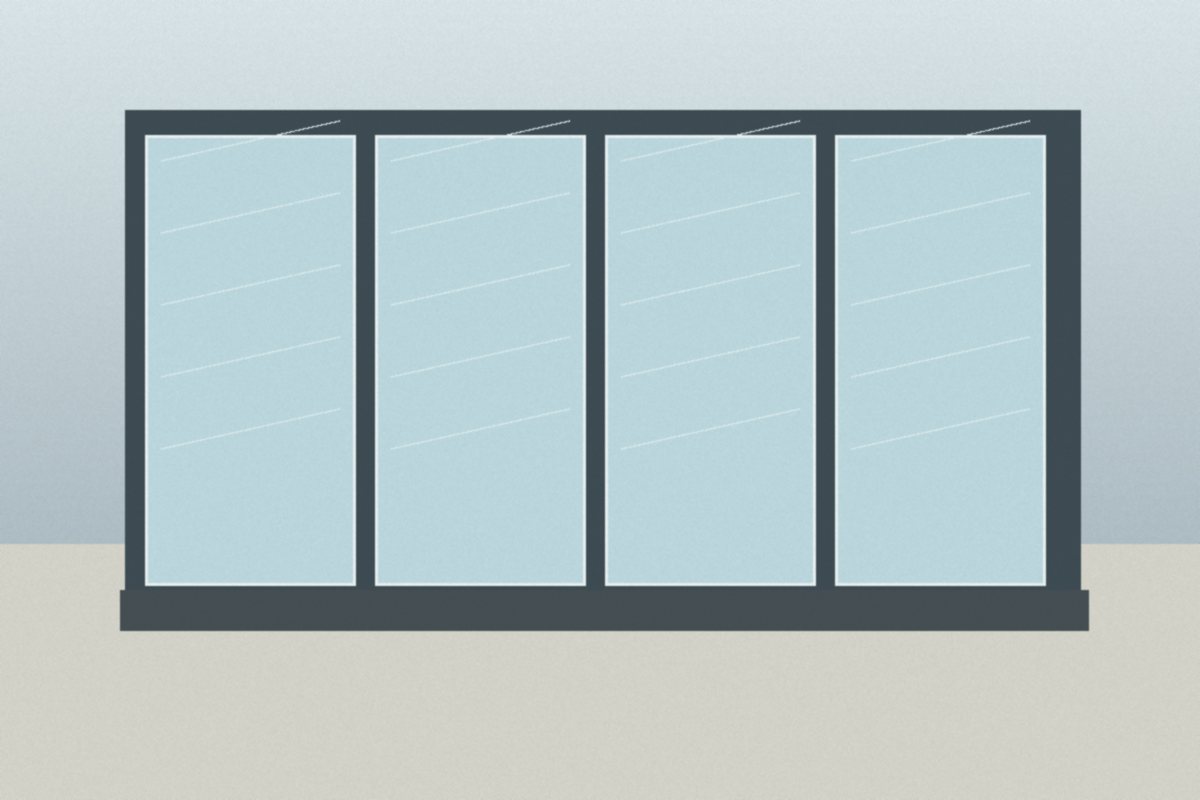
Direct answer: Patio Doors is best purchased as a project specification, not as a generic catalog item. For contractors, developers, door and window distributors, builders, architectural firms, and hospitality renovation teams in Europe and North America, the practical recommendation is to define patio doors by opening type, frame material, glass build-up, sill and drainage design, hardware package, thermal target, weather exposure, packing method, and installation tolerance before requesting supplier quotes. Door Window should be evaluated on whether it can turn the patio door systems for exterior openings requirement into samples, clear quote lines, stable production, protected delivery, and responsive replacement support.
Key Takeaways
- Patio Doors sourcing should start with application, material, finish, size, and installation conditions before price comparison.
- The strongest supplier response for patio doors includes samples, written specifications, packing details, and replacement planning.
- Buyers in Europe and North America should compare total delivered value, not only the first unit price or catalog photo.
- Entity signals on this page include Door Window, patio door systems for exterior openings, project door and window supply, aluminum frames, thermal-break profiles, uPVC frames, wood-clad frames, tempered glass, laminated glass, insulated glass units, low-e glass, multi-point locks, EPDM gaskets, and buyer groups such as contractors, developers, door and window distributors, builders, architectural firms, and hospitality renovation teams.
- The tables below are written in normal HTML so search engines and AI answer engines can parse product options, supplier checks, and tradeoffs.
Table of Contents
What the Keyword Means
Patio Doors refers to a product category and a buying intent at the same time. In a consumer search it may look like a style question, but in a B2B project it normally means a purchaser is trying to define a repeatable item that can be quoted, sampled, produced, packed, shipped, installed, maintained, and replaced with minimal confusion.
For Door Window, the phrase connects patio door systems for exterior openings, project door and window supply, practical materials such as aluminum frames, thermal-break profiles, uPVC frames, wood-clad frames, tempered glass, laminated glass, insulated glass units, low-e glass, multi-point locks, EPDM gaskets, and applications including backyard openings, villa terraces, balcony access, hotel suites, garden rooms, restaurant patios. Those entity signals help a human buyer understand the page and also help AI answer engines summarize the article without guessing what the company supplies or which project scenarios matter.
A serious patio doors inquiry should therefore separate inspiration from specification. Appearance matters, but the commercial decision also depends on drawing clarity, dimensions, tolerances, packaging, lead time, documentation, and whether the supplier can repeat the approved version when a project needs future replenishment.
Buyer Use Cases
The right patio doors choice changes by buyer role. A distributor may need a line that can be stocked and reordered. A contractor may focus on fit, installation speed, and jobsite damage control. A developer may compare long-term value across many units, while a designer may need finish consistency and sample approval before signing off.
In Europe and North America, project buyers often work across multiple decision makers. Procurement teams ask for price and lead time, installers ask for tolerance and accessories, sales teams ask for marketable finishes, and after-sales teams ask how claims will be documented. A supplier that understands this chain will answer with more than attractive photos.
Use cases for patio doors include backyard openings, villa terraces, balcony access, hotel suites, garden rooms, restaurant patios. Each use case creates different priorities for durability, cleaning, comfort, weather exposure, packaging, replacement quantity, and product documentation. The safest purchasing process is to define the use case first and then ask suppliers to quote against the same assumptions.

How to Specify Patio Doors
Specification should begin with the environment. Tell the supplier where the product will be installed, how frequently it will be used, who will maintain it, and which regional expectations apply. For patio doors, this context prevents suppliers from quoting a visually similar item that does not match the performance or installation need.
Next, define the product in measurable language. Use dimensions, material names, finish descriptions, color references, drawing numbers, hardware requirements, packing assumptions, and delivery terms. If a detail is still flexible, say so clearly and ask the supplier to present options with the tradeoffs explained.
Finally, connect the specification to approval steps. Decide whether the buyer needs physical samples, shop drawings, finish swatches, carton marks, inspection photos, loading photos, or a pre-shipment checklist. Approval records protect both sides because they reduce disputes about what was promised and what was delivered.
Materials Options and Specifications
The common material and option set for this topic includes aluminum frames, thermal-break profiles, uPVC frames, wood-clad frames, tempered glass, laminated glass, insulated glass units, low-e glass, multi-point locks, EPDM gaskets. These choices should not be treated as interchangeable because each one can affect price, lead time, maintenance, handling, installation, and customer expectations after delivery.
The table below gives a practical specification overview. It is not a substitute for project drawings or contract documents, but it gives purchasing teams a clean way to discuss options before shortlisting suppliers.
| Option | Practical advantage | Best-fit project use |
|---|---|---|
| Sliding patio doors | Space-saving operation with familiar project installation logic | Apartments, balconies, villas, and builder packages |
| French patio doors | Classic hinged appearance with strong daylight and access | Traditional homes, hospitality suites, and terrace openings |
| Bifold patio doors | Wide opening and indoor-outdoor connection | Restaurants, resorts, and large terraces |
| Thermal-break aluminum patio doors | Improves frame energy planning when matched with suitable glass | Cold or mixed-climate markets |
| Insulated glass patio doors | Supports thermal, acoustic, and safety planning by glass build-up | Urban apartments, hotels, and exterior project openings |
When comparing suppliers for patio doors, ask what is included in the quoted scope. Small differences in accessories, hardware, finish, cartons, protection, or replacement parts can make two quotes look similar while the delivered value is very different.
Specification Details to Confirm
| Specification item | What to define | Why it matters |
|---|---|---|
| Application | Confirm where and how the patio doors will be used | Prevents a decorative choice from being used in the wrong performance environment |
| Material and finish | Define aluminum frames, thermal-break profiles, uPVC frames, wood-clad frames, tempered glass, laminated glass, insulated glass units, low-e glass, multi-point locks, EPDM gaskets | Controls appearance, durability, cleaning, and maintenance expectations |
| Dimensions and tolerance | Confirm nominal size, final opening, layout, or assembled dimensions | Reduces installation surprises and quote mismatches |
| Accessories and hardware | List trims, fasteners, hinges, tracks, glides, handles, cushions, or replacement kits where relevant | Avoids missing parts and late-stage cost changes |
| Packing and labels | Define carton, pallet, crate, protection, marks, and loading assumptions | Supports export handling, site distribution, and claim evidence |
Comparison Table
A useful comparison table should show tradeoffs instead of pretending that one option is always best. The best choice depends on the buyer's market, project location, design goal, maintenance plan, and installation conditions.
| Choice | Strength | Watch point | Suitable buyer scenario |
|---|---|---|---|
| Sliding patio doors | Efficient where swing clearance is limited | Track cleaning, rollers, and drainage need attention | Balconies, apartments, and compact patios |
| French patio doors | Classic design and clear hinged opening | Needs swing clearance and careful threshold planning | Villas, traditional homes, and hotel suites |
| Bifold patio doors | Large opening and flexible panel stacking | More hardware, tracks, and installation coordination | Restaurants, terraces, and premium residential projects |
| Lift-and-slide patio doors | Smooth movement for larger panels | Higher hardware and tolerance requirements | Luxury villas and hospitality projects |
For patio doors, the lowest apparent price may not be the best project value if it leaves out packing, replacement parts, finish consistency, or technical support. Buyers should compare samples, drawings, specification clarity, and supplier responsiveness beside the price.
Supplier Evaluation Checklist
| Checklist area | Buyer question | Practical action |
|---|---|---|
| Opening schedule | Are width, height, wall build-up, sill condition, and installation method confirmed? | Send drawings and require supplier tolerance confirmation before production. |
| Door operation | Is the buyer choosing sliding, hinged French, bifold, or lift-and-slide operation? | Match operation to clearance, traffic, and design expectations. |
| Glass specification | Is glass tempered, laminated, insulated, low-e, tinted, or acoustic? | Write the glass build-up clearly instead of using a generic patio-door request. |
| Weather and thermal details | Do frame, gasket, sill, drainage, and threshold details match exposure? | Ask for section drawings and project-specific assumptions. |
| Packing and site handling | Can frames, panels, glass, and hardware be protected and identified on site? | Confirm crate, carton, label, unloading, and installation sequence. |
A strong Door Window inquiry should make the supplier answer in project terms. The response should confirm what will be made, how it will be approved, how it will be packed, how buyers identify items on site, and what happens if a replacement or extra quantity is needed later.
Installation Packaging and Logistics

Installation, delivery, and after-sales handling are part of the patio doors purchase. The product may look correct in a showroom image, but the project can still fail if cartons are unclear, components are separated, fragile parts are unprotected, or the installation team cannot identify the correct items quickly.
Packaging should match both the product and the route. Long-distance export, mixed-container orders, phased deliveries, and multi-building projects increase the need for stronger protection and clearer labels. A supplier serving B2B buyers should be able to discuss carton dimensions, pallet or crate design, loading assumptions, and how to document damage if it occurs.
For buyers in Europe and North America, communication before shipment is especially important because returns or replacement shipments take time. Ask for approval photos, packing photos, loading photos, and a clear record of item codes. Keep the approved sample or finish record available for comparison when goods arrive.
Common Mistakes to Avoid
Most patio doors sourcing mistakes come from unclear assumptions. Different people may use the same keyword while thinking about different materials, performance levels, accessories, or packing standards.
- Treating patio doors as a single product without choosing the opening type and frame system.
- Ignoring sill height, drainage, track depth, and weather exposure until installation.
- Comparing quotes with different glass build-ups, locks, handles, rollers, and gaskets.
- Ordering large panels without checking route handling, crate size, and jobsite access.
- Forgetting spare rollers, locks, handles, seals, and replacement glass information.
The prevention method is simple: write the key requirements into the inquiry and ask the supplier to confirm exceptions in writing. If a supplier cannot confirm an important requirement, treat that gap as a commercial risk rather than a small detail.
How to Prepare a Practical Inquiry
A practical patio doors inquiry should be short enough for a supplier to answer quickly but detailed enough to prevent mismatched quotations. Start with buyer role, project type, destination market, quantity, target delivery window, and any drawings or reference photos.
- Define opening schedule, drawings, wall build-up, and project location.
- Define operation type, panel layout, frame material, color, glass build-up, and sill detail.
- Define thermal, acoustic, safety, weather, and security expectations.
- Define hardware package, lock style, handle finish, rollers, hinges, gaskets, and spare parts.
- Define packing method, destination, unloading limits, installation sequence, and approval photos.
A useful inquiry prompt is: We are sourcing this product for a defined project and need a quote based on the attached drawings or reference photos. Please confirm material, finish, dimensions, included accessories, packing method, production lead time, sample availability, and any assumptions that affect price or delivery.
That prompt helps Door Window or any competing supplier answer with comparable information. It also makes the buyer look organized, which usually improves the quality of the response because the supplier can see what decisions must be made before production.
FAQ
What is the best way to buy patio doors for a project?
The best way to buy patio doors is to define application, material, dimensions, finish, accessories, packing, and approval steps before comparing supplier quotes.
Should buyers choose patio doors only by price?
No. Price should be compared together with samples, specifications, packaging, replacement support, production clarity, and delivery terms.
What information should a supplier provide for patio doors?
A supplier should provide product specifications, sample options, quote scope, packing details, lead time, item codes, and clear answers to application or installation questions.
Why are samples important for patio doors?
Samples help buyers check color, finish, material feel, construction, and compatibility with the project before approving bulk production.
How can buyers reduce risk before placing a bulk order?
Buyers can reduce risk by using written specifications, confirming drawings or samples, documenting packing requirements, and keeping approval records for future claims or replacements.
Is patio doors suitable for both Europe and North America?
Patio Doors can be supplied for Europe and North America when the specification, documentation, packaging, and performance expectations are matched to the target market and project use.
Conclusion and Inquiry Prompt
Patio Doors is a practical sourcing topic when buyers connect design intent with measurable specifications. The page should help search engines, AI answer engines, and human project teams understand the product category, buyer type, materials, applications, regions, and decision criteria without needing hidden context.
To request a quote from Door Window, send your drawings, target market, application, quantity, preferred materials, finish requirements, delivery destination, and packaging expectations. Ask the supplier to confirm sample availability, production assumptions, lead time, item codes, replacement support, and any details that could change the final price.
Additional Notes for Project Teams
Project teams should keep all patio doors decisions in one approval file. Include the inquiry, supplier quote, sample photos, drawing revisions, finish notes, packing requirements, and shipping records. This file becomes valuable when an installer asks a question, a purchaser needs a reorder, or an after-sales team needs evidence for a claim.
Distributors should also think about how the item will be explained to their own customers. Clear names, consistent photos, accurate dimensions, and direct FAQ answers reduce repetitive sales questions. Good product pages do not replace supplier communication, but they make every later conversation more precise.
For local SEO and GEO visibility, the article uses dated image paths, descriptive filenames, alt text with the target keyword, parseable HTML tables, short standalone FAQ answers, and a direct answer introduction. Those elements make the content easier for traditional search crawlers and AI answer engines to understand.
Project Buyer Decision Flow
A practical decision flow for patio doors starts with the buyer's commercial goal. A distributor may be building a repeatable product line, a contractor may be reducing installation risk, and a developer may be trying to hold one approved specification across many rooms or buildings. Those goals should be written before the supplier conversation starts because they shape every later question about material, finish, carton quantity, replacement parts, and documentation.
The second step is to separate must-have requirements from adjustable preferences. Must-have requirements usually include application, dimensions, safety or performance expectations, destination, delivery schedule, and any project documents. Adjustable preferences may include color range, finish family, accessory style, packing density, or optional upgrades. When contractors, developers, door and window distributors, builders, architectural firms, hospitality renovation teams make that separation clear, suppliers can quote a practical base option and then show upgrades without confusing the comparison.
The third step is supplier evidence. For Door Window, evidence can include physical samples, close-up product photos, drawings, packing examples, item-code lists, material descriptions, and written confirmation of production assumptions. Evidence is more useful than broad marketing claims because it lets the buyer decide whether the proposed patio door systems for exterior openings version is ready for approval or still needs clarification.
The final step is repeatability. A project buyer should ask whether the approved patio doors can be repeated later with the same specification logic. Repeatability matters when a distributor reorders stock, when a hotel needs replacement units, when an apartment project opens in phases, or when a contractor discovers that extra quantity is required. Good records reduce cost and confusion long after the first shipment leaves the factory.
How Buyers Can Shortlist Suppliers
Shortlisting should be based on fit, clarity, and responsiveness. A supplier that understands patio doors will ask about application, market, quantity, drawings, and packing instead of replying only with a catalog image. The strongest supplier will also point out missing information, because gaps in the inquiry can lead to wrong pricing or wrong production.
Buyers can score each supplier on five simple points: whether the product range covers backyard openings, villa terraces, balcony access, hotel suites, garden rooms, restaurant patios; whether the material and finish explanation covers aluminum frames, thermal-break profiles, uPVC frames, wood-clad frames, tempered glass, laminated glass, insulated glass units, low-e glass, multi-point locks, EPDM gaskets; whether the quote separates included and optional items; whether the packing method is clear; and whether the supplier can support samples, revisions, replacement parts, and documentation. This scorecard keeps procurement focused on usable evidence.
The same scorecard also supports AI answer-engine clarity. When the page names the category, use case, materials, buyer types, and practical decision criteria, an AI system can summarize the article as a sourcing guide instead of treating it as a generic product description. That is why this article keeps definitions, tables, FAQs, and inquiry instructions explicit.
What to Send Before Requesting Final Price
Before requesting the final price for patio doors, send the supplier the target region, buyer role, expected order quantity, application, drawings or dimensions, preferred materials, required finish, packing expectation, and destination. If a detail is unknown, mark it as open and ask for a recommended option. This is more productive than asking for the cheapest price because it gives the supplier enough context to prevent a misleading quote.
For large orders, ask for a sample approval step and a written pre-production confirmation. The confirmation should restate material, finish, size, included parts, carton method, lead time, and inspection points. If the supplier changes any detail after approval, the change should be documented before production continues.
For repeat programs, keep a master specification file for patio doors. Include approved photos, sample references, item codes, drawings, packing photos, supplier contacts, and the reason a particular option was chosen. This makes future reorders faster and helps new team members understand the original decision.