Generated date: June 8, 2026
French Doors for Residential and Commercial Projects: Design, Specification, and Sourcing Guide
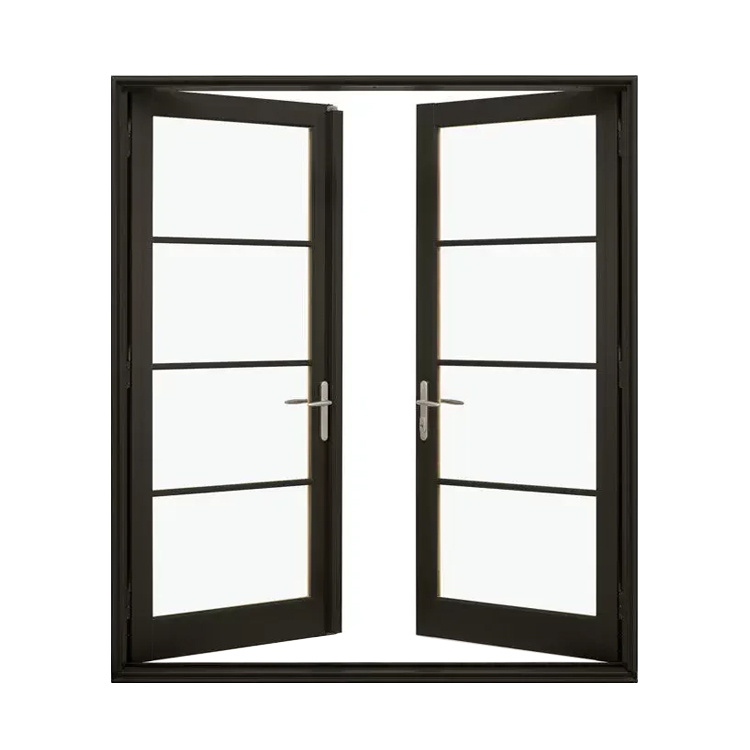
French doors are a popular choice for homes, villas, apartments, patios, balconies, hotels, and light commercial spaces because they combine function with architectural character. A well-specified French door can bring more daylight into a room, create a generous opening, improve the relationship between indoor and outdoor areas, and support a classic or modern design language. For project buyers, however, French doors must be evaluated as building components, not only as decorative features.
The phrase french doors can refer to exterior patio doors, interior room dividers, double entry doors, balcony doors, or glass-paneled doors used in hospitality and residential developments. Each use case has different expectations for frame material, glass, weather sealing, hardware, security, size, finish, packing, and installation. This guide explains how European and North American buyers can compare French door options and work with a supplier to reduce project risk.
Define the Application First
Key considerations
The first sourcing question is where the French doors will be installed. Exterior French doors need to handle weather exposure, thermal performance, water management, locking, and threshold details. Interior French doors may focus more on style, light transfer, acoustic separation, and hardware appearance. Patio and balcony doors need to coordinate with exterior flooring, drainage, screens, and opening clearance.
A villa project may use French doors to connect a living room with a garden. An apartment project may use glass doors for balconies. A hotel may use them in suites or common areas where style and durability both matter. A commercial renovation may need doors that match an existing facade. These applications should not be specified with the same assumptions.
Before requesting a quotation, buyers should prepare rough opening sizes, wall type, indoor or outdoor use, preferred frame material, glass expectations, color, hardware finish, destination, and project schedule. If local code or performance documentation is required, that should be discussed early.
- Confirm interior or exterior application.
- Review frame, glass, threshold, and hardware specifications.
- Approve drawings and finish samples before production.
- Plan packaging and site storage for glass door panels.
Choose the Right Frame Material

French door frames can be made from wood, aluminum, steel, uPVC, composite materials, or wood-aluminum combinations. Each material creates a different balance of appearance, maintenance, strength, thermal behavior, and price. Wood can provide traditional warmth but may require more maintenance in exposed locations. Aluminum can support slim profiles and modern finishes, while thermally broken aluminum can improve performance when specified correctly.
Steel can create a refined architectural look, especially for slim black frames, but buyers should confirm corrosion protection and project suitability. uPVC can be practical in certain residential markets, though profile style and color expectations vary. Composite systems may offer stability and lower maintenance depending on the product design.
The best frame material depends on climate, building style, maintenance expectations, budget, and local buyer preference. A supplier should explain the tradeoffs clearly rather than presenting every material as equal.
Review Glass and Performance Requirements
Key considerations
Glass is central to French door performance. Buyers should confirm whether the door uses single, double, or triple glazing, and whether low-emissivity coatings, laminated glass, tempered glass, argon filling, or other options are required. Exterior doors may need better thermal and acoustic performance than interior doors. Safety requirements also vary by location and application.
For sunny exposures, solar control may be important. For colder climates, insulation and air sealing can be critical. For street-facing doors or hospitality projects, acoustic performance may influence guest comfort. For balcony and patio doors, impact resistance or laminated glass may be considered depending on the market and project requirements.
Glass specifications should be written clearly in the quote. The buyer should not rely only on the words insulated glass or safety glass without details. Thickness, configuration, spacer type, coating, and certification requirements should be confirmed when relevant.
Hardware, Locking, and Daily Use
French doors must operate smoothly and close securely. Hinges, handles, locking points, flush bolts, cylinders, thresholds, and weather seals all affect the daily experience. Weak hardware can make even an attractive door feel unreliable. Strong hardware and correct adjustment can improve user confidence and reduce maintenance calls.
Exterior doors should be reviewed for locking method and security expectations. Multi-point locking may be appropriate in many exterior applications. Interior doors may use simpler latches depending on the room type. If one leaf is used frequently and the other is opened occasionally, the active and inactive leaf configuration should be specified.
Hardware finish should coordinate with the frame color, interior fixtures, and project style. Matte black, bronze, brushed nickel, and white finishes each create a different impression. For large projects, confirm that replacement handles, hinges, and cylinders can be sourced later.
Thresholds, Weather Sealing, and Drainage
Threshold design is especially important for exterior French doors. A low threshold may improve accessibility and create a cleaner transition, but it must still manage water and air infiltration correctly. A higher threshold may offer stronger weather resistance but can be less convenient in daily use. The right solution depends on exposure, floor levels, drainage, and local expectations.
Weatherstripping, gaskets, sill design, and frame drainage should be discussed before ordering. Buyers should ask how the door handles rain exposure, wind pressure, and routine opening and closing. If the door opens to a patio, balcony, or terrace, exterior slope and drainage should be coordinated with the contractor.
Poor site coordination can compromise even a well-made door. Rough openings, waterproofing, flashing, sealant, and installation tolerances must be planned. The supplier can provide product details, but the local installation team must execute the connection to the building correctly.
Interior French Doors and Space Planning
Key considerations
Interior French doors can divide rooms while keeping light moving through the space. They are often used between living rooms and dining rooms, home offices, bedrooms, corridors, and hospitality suites. For interior use, buyers may focus on style, glass privacy, sound reduction, frame thickness, and hardware feel rather than weather performance.
Clearance is important. Swinging double doors need room to open fully. Furniture, cabinets, curtains, and nearby walls can interfere with operation. If space is limited, buyers may compare French doors with sliding or folding systems, but each solution has a different visual and functional character.
Glass privacy options include clear, frosted, fluted, patterned, or tinted glass. The choice depends on room use and design intent. A home office may need more privacy than a dining room. A hotel suite may need a balance of light, privacy, and easy cleaning.
- Confirm interior or exterior application.
- Review frame, glass, threshold, and hardware specifications.
- Approve drawings and finish samples before production.
- Plan packaging and site storage for glass door panels.
Compare Supplier Quotations Properly
A French door quotation should identify frame material, profile series, size, glass specification, hardware, finish, threshold, screen options if any, packing, lead time, trade terms, and documentation. Without these details, two prices cannot be compared fairly. A lower price may exclude important performance or hardware items.
Buyers should ask whether the quote includes shop drawings, installation references, spare hardware, packaging protection, and inspection photos. For export orders, confirm container loading, crate protection, and shipping documents. Doors contain glass and finished frames, so packaging quality is a serious part of the product value.
If a project includes windows, sliding doors, entry doors, and French doors, coordinated sourcing may help maintain finish consistency and simplify communication. However, each product type still needs its own specification and performance review.
Use Drawings, Samples, and Mock-Ups
Key considerations
Drawings should show overall size, opening direction, active leaf, frame depth, threshold, glass configuration, hardware location, and installation references. For projects with repeated units, each door type should have a clear code. This avoids confusion when several sizes or finishes are involved.
Samples can help confirm frame color, hardware finish, glass type, gasket detail, and surface quality. For large projects, a mock-up opening can be useful. It allows the team to inspect operation, sight lines, threshold height, sealing, and coordination with flooring before the full order is produced.
Approval milestones should be documented. Once final drawings and samples are approved, changes should be controlled. Door manufacturing depends on accurate sizes and specifications, and late revisions can affect cost and delivery timing.
- Confirm interior or exterior application.
- Review frame, glass, threshold, and hardware specifications.
- Approve drawings and finish samples before production.
- Plan packaging and site storage for glass door panels.
Packaging and Delivery Planning
French doors require careful packaging because frames, corners, glass, and hardware can be damaged by poor handling. Buyers should ask how door panels are protected, whether glass is crated, how frames are secured, and how packages are labeled. A good packing plan should match the project schedule and installation sequence.
For multi-unit projects, labels can reference building, floor, room, door type, and opening size. The packing list should connect to the drawings so site teams can identify each unit quickly. This reduces handling time and prevents the wrong door from being moved to the wrong location.
Site storage should be dry, stable, and safe. Doors should not be leaned in ways that stress glass or frames. Installation teams should inspect products upon arrival and report damage promptly. A clear receiving process helps resolve issues before they delay the schedule.
Quality Control Before Shipment
Quality control should include dimension checks, frame finish inspection, glass verification, hardware operation, gasket placement, locking function, and packaging review. For exterior doors, drainage and threshold details should also be checked against the approved specification. Inspection photos can be useful for overseas buyers.
Operation matters. Doors should swing, close, latch, and lock properly before shipment. The active and inactive leaf should align correctly. Hardware should be complete and packed securely. Any spare parts or touch-up materials should be listed in the packing documents.
For project work, consistency is as important as individual quality. If dozens or hundreds of French doors are ordered, finish color, hardware sets, labels, and dimensions must remain consistent across the batch. A supplier should have a process to manage that consistency.
Conclusion
French doors can add daylight, style, and functional value to residential and commercial projects, but they require careful specification. Buyers should define the application, choose suitable frame and glass options, review hardware and threshold details, compare quotations by full scope, and plan packaging and installation early.
A reliable French door supplier should support the buyer with drawings, specifications, samples, quality checks, and delivery coordination. The strongest result comes when design intent, performance needs, and site conditions are considered together before production begins.
If you are sourcing French doors for a project, prepare your opening sizes, application, preferred frame material, glass requirements, color, hardware expectations, destination, and schedule. This information allows a supplier to prepare a more accurate and useful proposal.
Project Buyer Checklist for French Doors
Before confirming a French door order, buyers should separate design preferences from performance requirements. Design preferences include frame color, grid style, handle finish, glass appearance, and whether the door should feel traditional, transitional, or modern. Performance requirements include exterior exposure, air and water sealing, glass safety, thermal expectations, acoustic needs, lock type, threshold design, and local installation conditions. Both sides matter, but they should not be mixed together casually in a quote.
Opening measurements need careful control. Rough openings, finished openings, floor buildup, exterior sill conditions, and wall depth can all affect the final door size. If the project is still under construction, the buyer should clarify whether dimensions are preliminary or final. For repeated apartment or villa types, each opening should have a code so the supplier, contractor, and installer are discussing the same door.
Buyers should also check the relationship between French doors and nearby materials. Floor tile thickness, threshold height, exterior patio slope, balcony waterproofing, interior trim, curtains, screens, and furniture clearance can all influence door performance and usability. A technically sound door can still create site problems if surrounding conditions are not coordinated early.
For exterior projects, the installation method deserves as much attention as the product itself. Flashing, sealant, fasteners, frame anchoring, drainage paths, and protection during construction are critical. The supplier can provide drawings and product guidance, but the local installation team must understand the wall system and climate exposure. Buyers should make sure installation responsibility is clear before the shipment arrives.
For large orders, packaging labels should be linked to the door schedule. Each crate or package should identify the door type, size, opening direction, finish, and destination area in a way that the site team can use quickly. This reduces unnecessary handling of glass panels and lowers the chance of installing the wrong product in the wrong opening.
After-sales planning is also part of sourcing. Spare handles, cylinders, hinges, gaskets, and touch-up finish can be inexpensive compared with the time lost waiting for replacements later. A good supplier should help document which parts were used in the order so future maintenance requests can be handled accurately.
Buyers should also confirm how the supplier handles minor adjustments after installation. French doors may need hinge adjustment, lock alignment, seal inspection, or handle tightening after the building settles or after heavy construction traffic. Clear guidance for adjustment and maintenance helps the local installer solve normal commissioning issues without treating every small correction as a product defect.
For repeat projects, keeping approved door codes, glass codes, finish references, and hardware records together also makes future reorders more accurate and faster.
Frequently Asked Questions About French Doors
Are French doors suitable for exterior use?
Yes, French doors can be used as exterior doors when the frame, glass, threshold, weather sealing, hardware, and installation details are specified for outdoor exposure.
What glass should be used for French doors?
The best glass depends on safety, thermal, acoustic, and privacy requirements. Exterior doors often use insulated safety glass, while interior doors may use clear, frosted, fluted, or decorative glass.
Do French doors need special packaging for export?
Yes. Frames, glass, corners, and hardware should be protected carefully. Clear labels and packing lists are important for project delivery and site handling.
How do I compare French door suppliers?
Compare full specifications, not only price. Review frame material, glass configuration, hardware, threshold, finish, drawings, packaging, lead time, and after-sales support.