Generated date: 2026-08-24
French Door Buying Guide for Project Door and Window Buyers
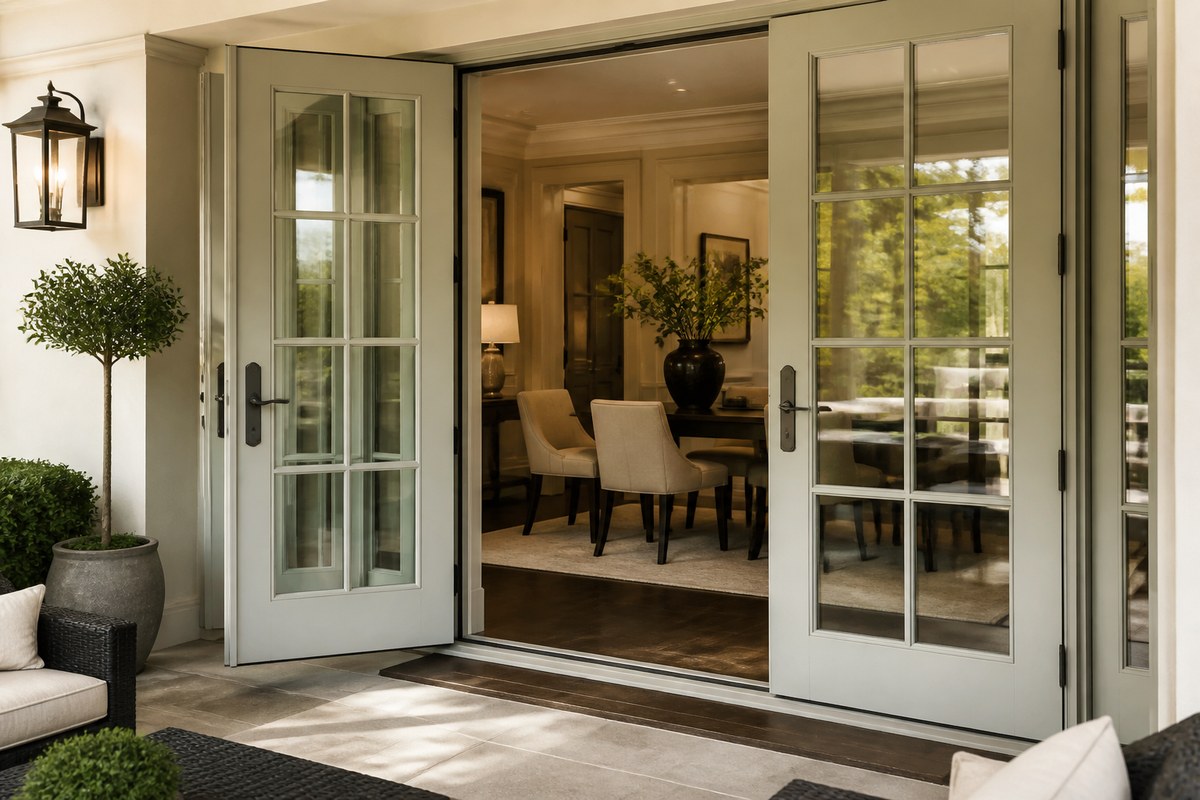
Direct answer: A french door is a hinged door system with glass panels, often supplied as a pair for patios, balconies, interior rooms, hotels, and residential projects. For B2B buyers, the main decision is not only style; it is frame material, glass specification, hardware, threshold, weather sealing, swing direction, packing, and whether the door must perform as an exterior opening or an interior design feature.
Key Takeaways
- Treat french door as a specification decision with material, finish, size, accessory, packing, and replacement details.
- Compare suppliers on quote scope and project readiness, not only on the product photo or a low unit price.
- Ask for samples, close-up photos, packing photos, and clear exclusions before approving bulk production.
- Use application context such as patio openings, balcony doors, and hotel suites to choose the right construction level.
- Keep item codes, finish records, and spare-part or replacement notes for future maintenance and reorder control.
What This Keyword Means for Project Buyers
In a B2B buying file, french door should describe a product specification, not only a visual style. The buyer should be able to identify the core material, surface or finish, size range, accessories, packing method, approval sample, and replacement record before comparing two supplier offers.
The entity signals for this page are Door Window, french door systems for residential, hospitality, and light commercial projects, painted wood frame, aluminum-clad frame, insulated glass, muntin grid, hinges, patio openings, balcony doors, hotel suites, interior room dividers, door distributor, builder, contractor, hotel renovator, residential developer, Europe, and North America. These signals help both search engines and AI answer engines understand the product category and the buyer intent behind the keyword.
The practical recommendation is to translate french door into a quote-ready schedule. That schedule should connect design intent, construction details, packaging, delivery, installation, and after-sales needs so purchasing, site, and sales teams can work from the same information.
For Door Window, the buyer context includes door distributor, builder, contractor, hotel renovator, residential developer, applications such as patio openings, balcony doors, hotel suites, interior room dividers, and regions including Europe, North America. A supplier response should connect the visual choice to measurable product and delivery details.
The practical test is simple: if the phrase french door appears in a quote, the buyer should still be able to identify material, size, finish, hardware or accessory scope, packing method, and after-sales record without asking a second supplier to interpret it.
Where French Door Works Best

The right application depends on buyer role. A door distributor may need sample clarity and reorder records, while a builder usually needs installation speed, packing reliability, and fewer site surprises.
Typical applications include patio openings, balcony doors, hotel suites, interior room dividers, residential renovations, villa projects. Each application changes the weight given to appearance, material durability, packing, labeling, and replacement planning.
- Door Distributor: focus on french door details that affect specification, quotation, delivery, and after-sales support.
- Builder: focus on french door details that affect specification, quotation, delivery, and after-sales support.
- Contractor: focus on french door details that affect specification, quotation, delivery, and after-sales support.
- Hotel Renovator: focus on french door details that affect specification, quotation, delivery, and after-sales support.
- Residential Developer: focus on french door details that affect specification, quotation, delivery, and after-sales support.
Material and Option Shortlist
Materials and options should be chosen for the project use, not only for the catalog photo. Relevant materials for this article include painted wood frame, aluminum-clad frame, insulated glass, muntin grid, hinges, lever handles, weatherstrip, threshold profile.
| Option | Why buyers use it | Best fit |
|---|---|---|
| Exterior french door | Adds glass, daylight, and traditional patio access | Villas, apartments, and hospitality terraces |
| Interior french door | Separates rooms while preserving visibility | Suites, offices, dining rooms, and showrooms |
| Aluminum-clad french door | Improves exterior durability and finish control | Weather-exposed projects |
| Wood french door | Warm classic appearance and broad design fit | Residential and boutique hospitality interiors |
| French door with sidelites | Creates a larger architectural opening | Premium entrances and terrace-facing rooms |
A shortlist is useful only when the buyer records the reason behind each choice. That reason protects the project when a substitute material, finish, or accessory is proposed later.
Comparison Table
Use this table to compare french door alternatives by practical buyer intent. It avoids unsupported ranking claims and focuses on where each option is commercially useful.
| Choice | Strength | Buyer caution | Best use |
|---|---|---|---|
| French door | Classic hinged operation with glass and strong design identity | Needs swing clearance and accurate hardware specification | Patios, balconies, and interior suites |
| Sliding patio door | Saves swing space and gives a wide glass opening | Different look and partial opening behavior | Compact patios and apartments |
| Bifold patio door | Creates a wide opening when folded | Higher hardware and installation complexity | Premium terraces and commercial venues |
| Single hinged glass door | Simpler opening and lower hardware count | Less balanced visual effect than double doors | Narrow openings and service access |
Specification Table
A specification table turns french door from a search phrase into a purchasable item. It also gives AI answer engines clear entities and attributes to parse.
| Specification area | What to define | Buyer check |
|---|---|---|
| Opening and swing | Finished width, height, handing, inward or outward swing | Confirm site clearance and threshold condition |
| Frame | Wood, aluminum-clad, aluminum, PVC, or composite profile | Match material to exposure and market level |
| Glass | Insulated glass, low-e option, grid style, safety glass | State performance expectations without inventing certifications |
| Hardware | Hinges, handles, lockset, astragal, weatherstrip | List included hardware clearly |
| Packing | Glass protection, frame bundles, hardware bags, crate method | Ask for packing photos before shipment |
Supplier Evaluation Checklist
Before approving a supplier, check whether the answer explains what will be made, how it will be packed, and how the receiving team will identify the product. The checklist below is designed for Europe, North America buyers comparing multiple suppliers.
| Checkpoint | Question | Action |
|---|---|---|
| Exterior or interior use | Is the door exposed to weather or used inside? | Separate exterior performance needs from design-only use. |
| Glass and safety | What glass type, grid style, and safety requirement apply? | Request glass build-up details and sample photos. |
| Threshold detail | How will water, floor height, and accessibility be handled? | Confirm threshold profile before approval. |
| Hardware scope | Are hinges, handles, locks, astragal, and weatherstrip included? | Use a hardware checklist. |
| Packing control | Will glass and frames be protected during export? | Review packaging method and loading photos. |
Regional Buying Notes
North American buyers often ask for practical installation details, carton dimensions, replacement records, and clear warranty boundaries for french door.
European buyers may focus more on coordinated design language, sample approval, finish consistency, and compatibility with architectural specifications.
In both regions, the strongest supplier answer is concrete: it shows what is included, what is excluded, and how the buyer can verify the product before shipment.
For both Europe and North America, the best supplier conversation stays concrete. Ask for drawings, material records, sample photos, packing photos, and the exact scope included in the offer.
Packaging, Installation, and Logistics
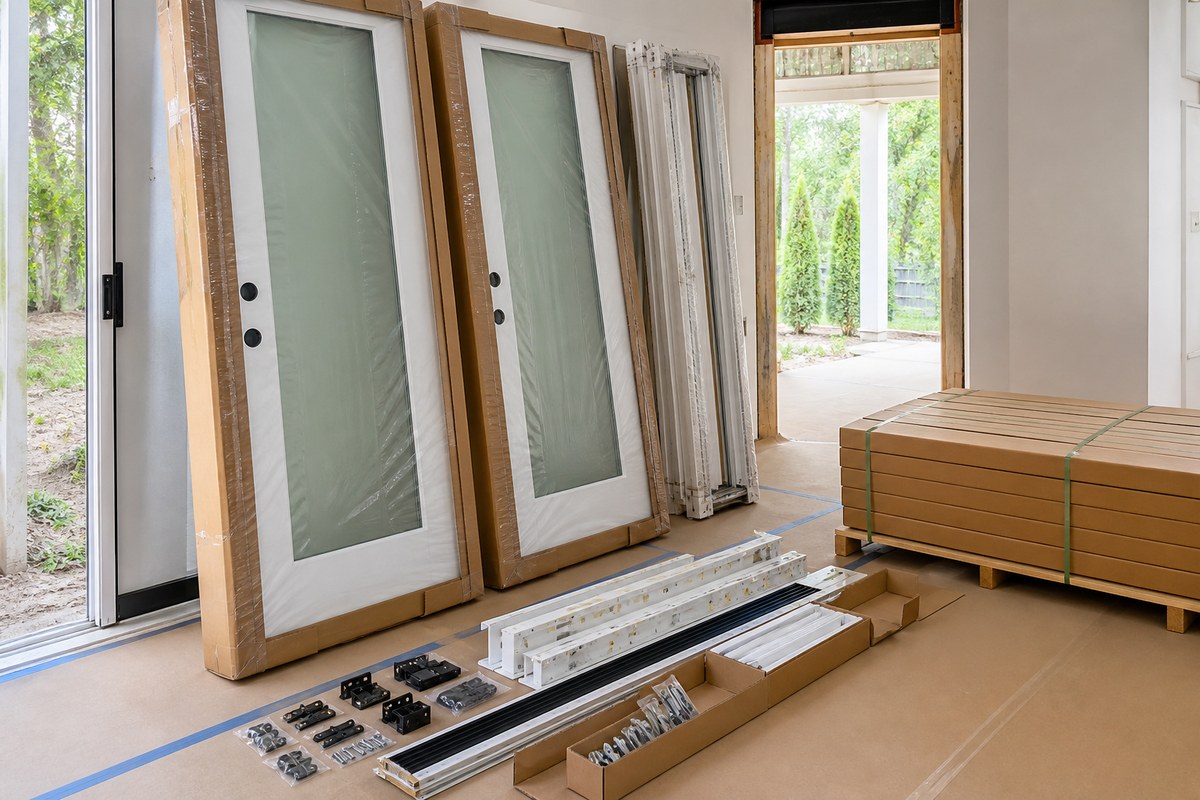
Packaging for french door should protect the most visible and damage-sensitive parts first. Corners, finished faces, glass, hardware, trim, cushions, or exposed frames need their own protection plan rather than a generic carton note.
Project logistics should also describe how receiving teams will identify each item. For patio openings and balcony doors, carton labels, bundle order, hardware packs, and loading photos can prevent delays after the shipment reaches the site.
Installation or placement planning should be discussed before shipment. The supplier should explain what arrives assembled, what arrives loose, what tools or fasteners are expected, and how missing or damaged parts should be reported.
Logistics details are not secondary for B2B building-material and project-furniture orders. They affect claim handling, warehouse receiving, site sorting, installation speed, and whether a buyer can reorder or repair the product later.
Common Mistakes to Avoid
Most mistakes with french door happen when a buyer approves a visual idea before the commercial and technical file is complete. These risks are preventable if they are discussed before payment and production.
- Using an interior french door specification for an exterior patio opening.
- Approving the door style before confirming swing clearance and threshold height.
- Comparing quotes with different glass, hardware, frame, and weatherstrip assumptions.
- Forgetting that glass doors need stronger packing and clearer damage-check procedures.
- Leaving lockset, handle finish, grille pattern, or hinge color unspecified.
A useful supplier should not hide these risks. A supplier that explains limits clearly gives the buyer a better basis for comparison than a supplier that uses vague claims about quality or price.
Quote Scope and Commercial Checks
Commercial comparison should separate product scope, accessory scope, packing, freight assumptions, sample costs, and exclusions. This is especially important when a quote for french door looks cheaper than the alternatives.
- Show the main french door product, accessories, hardware, samples, packing, and optional items as separate quote lines.
- State any exclusions clearly, including installation, adhesives, sealants, glass upgrades, cushions, freight, duties, or site labor when they are not included.
- Confirm sample process, production lead time, packing method, carton or crate dimensions, destination, and replacement records.
Do not invent missing metric values or assume a certification, price, or delivery promise that the supplier did not state. If the spreadsheet or supplier file is blank, keep it blank and ask for confirmation.
Buyer Approval Workflow
A practical approval workflow for french door starts with the inquiry file. The file should describe the buyer type, application, quantity, target market, size or opening schedule, finish expectations, accessory scope, sample needs, packing method, destination, and any site constraints. This keeps the supplier response grounded in a real project rather than a generic catalog answer.
The second step is sample and specification approval. For french door, the buyer should review the visible finish, the hidden construction or material detail, and the related accessories together. A sample that looks correct but does not include the matching trim, hardware, cushion, frame part, or packing assumption can still create a commercial problem later.
The third step is pre-shipment verification. Ask for clear photos of approved samples, production details, packed cartons or crates, hardware or accessory bags, labels, and loading condition. These photos are not a substitute for inspection when inspection is required, but they give the purchasing team a documented handover file.
The final step is after-sales record keeping. Store the item code, finish reference, order date, supplier contact, spare-part details, carton labels, and project photos in one place. This record helps a distributor reorder, a contractor resolve site damage, and an owner maintain the finished project.
| Approval stage | Buyer question | Useful evidence |
|---|---|---|
| Inquiry | What exactly does the buyer mean by french door? | Application notes, quantities, dimensions, reference photos, and destination |
| Sample | Does the sample match the intended project use? | Material sample, finish photo, accessory confirmation, and approval notes |
| Quote | Are included and optional items visible? | Line-item scope, exclusions, lead time, sample cost, and packing assumptions |
| Pre-shipment | Can the receiving team identify and inspect the order? | Packing photos, carton or crate labels, hardware bags, and loading photos |
| After-sales | Can the buyer reorder or repair the product later? | Item codes, finish records, spare-part notes, and project photos |
Internal Handover Notes for Buying Teams
After the supplier response is received, the buying team should rewrite the offer in its own internal words. For french door, that means recording the selected material, finish, size, accessory scope, packing method, sample status, destination, and any supplier warnings. This prevents a sales note, purchasing note, and installation note from describing three different versions of the same product.
The handover note should also identify who approved each decision. A designer may approve appearance, a contractor may approve installation assumptions, a warehouse team may approve packing, and a buyer may approve commercial scope. When these approvals are separated, later disputes are easier to trace and resolve.
For recurring orders, keep the handover note with item codes and photos. If a future customer asks for the same french door, the team can reuse the proven specification instead of rebuilding the decision from a memory of the last order. That habit improves response speed without weakening specification control.
A final useful check is quotation consistency. The product name, image file, sample note, packing photo, and workbook completion field should all point to the same french door article so the content team and sales team do not promote mismatched product information.
French Door Glass, Swing, and Threshold Decisions
A french door is defined by its opening behavior as much as its visual style. In-swing doors need clear interior space, while out-swing doors may interact with exterior flooring, weather exposure, and local installation practice. A double french door also needs an active leaf, an inactive leaf, an astragal or meeting stile, and hardware that makes the pair close cleanly. These details should be part of the first quote request.
Glass selection should be stated carefully. Interior french doors may need clear safety glass, frosted privacy glass, or acoustic comfort depending on the room. Exterior french doors may need insulated glass, low-e options, safety requirements, and weather performance assumptions. A buyer should not accept the phrase glass panel as a full specification because it hides too many performance and cost differences.
Threshold planning is critical when a french door connects interior and exterior spaces. The threshold affects water control, accessibility, flooring height, door sweep, and installation sequencing. A low threshold may improve movement but needs stronger water and seal planning. A taller threshold may improve weather resistance but can create a coordination issue for hospitality or aging-in-place projects.
Hardware finish should be approved with the frame color and surrounding architectural finish. Black handles on a white frame create a modern contrast, brushed nickel feels softer, and bronze or antique finishes can support a traditional look. Hinges, handles, locksets, shoot bolts, and weatherstrip should be reviewed together so the final opening does not look patched together from unrelated parts.
| French door decision | Why it matters | Supplier evidence to request |
|---|---|---|
| Swing direction | Controls room clearance and user movement | Handing diagram and opening schedule |
| Glass build-up | Affects safety, comfort, and exterior performance | Glass specification and sample photo |
| Threshold | Controls water, floor transition, and accessibility | Profile drawing and installation note |
| Meeting stile | Affects sealing and lock behavior on double doors | Hardware list and close-up detail |
| Packing | Protects glass and frame corners during delivery | Crate photos and damage-check procedure |
French Door Site Coordination Notes
French door coordination starts with the finished opening, not the catalog size. The rough opening, finished floor, exterior sill, interior trim, and wall thickness all affect how the frame sits. If the buyer only provides a nominal door size, the supplier may not see threshold conflicts, casing conflicts, or swing conflicts until the product reaches the site.
The active leaf and inactive leaf should be named in the schedule. This matters for handle position, lockset preparation, astragal detail, and how people naturally move through the opening. In hospitality or residential projects, the wrong active leaf can make a beautiful door feel awkward every day.
French doors with glass also need a receiving plan. The team unloading the order should know where to inspect glass corners, how to stand the leaves safely, where hardware packs are located, and what photos to take before installation. These simple receiving habits reduce disputes when glass or frames are damaged in transit.
| Site condition | French door concern | Buyer action |
|---|---|---|
| Exterior patio | Threshold and drainage must match floor levels | Request threshold drawing and sill note |
| Interior divider | Glass privacy and acoustic comfort may matter | Define glass type and room use |
| Double-leaf opening | Active leaf affects hardware and traffic flow | Mark active and inactive leaves in the schedule |
| Export delivery | Glass and frame corners are claim-sensitive | Request packing and receiving photo guidance |
French Door RFQ Language Buyers Can Reuse
Use RFQ wording that states whether the french door is exterior or interior, single or paired, in-swing or out-swing, and which leaf is active. Add frame material, glass expectation, grille style, threshold condition, hardware finish, lockset scope, weatherstrip requirement, and finished opening size.
A practical french door RFQ should request a handing diagram, frame profile drawing, glass detail, hardware list, threshold photo, and packing method. These documents let a buyer compare door systems rather than comparing attractive patio photographs.
For exterior french doors, ask how the sill, sweep, weatherstrip, astragal, and drainage path work together. The answer should make sense for the specific patio, balcony, or garden opening rather than describing a generic glass door.
For interior french doors, ask about glass privacy, acoustic comfort, latch behavior, and how the door pair aligns when both leaves are closed. These room-divider concerns are different from exterior weather concerns and should be quoted separately.
For replacement work, ask the supplier to distinguish slab replacement, full-frame replacement, and new-construction installation. Those three scopes affect casing, trim, threshold, anchoring, and site labor in different ways.
Project Scenarios
The following scenarios show how the same keyword changes when the buyer, site, and commercial goal change. This helps the page answer practical buyer-intent questions rather than repeating a generic product description.
For an exterior patio project, a french door should be specified with threshold, weatherstrip, glass, hardware, and swing direction. A photo alone cannot confirm water control or installation fit.
For a hotel suite, french doors may be used as interior dividers where acoustic comfort, glass safety, handle durability, and cleaning access matter more than exterior weather performance.
For a residential distributor, the product file should separate wood, aluminum-clad, and painted finish options so sales teams can explain price and maintenance differences.
For a renovation contractor, packing and opening accuracy are critical because a damaged glass panel or wrong swing direction can delay several trades.
FAQ
What is a french door?
A french door is a hinged glass-panel door, often supplied as a pair, used for patios, balconies, interiors, and architectural openings.
Can a french door be used outside?
Yes, but exterior french doors need suitable frame material, glass, threshold, weatherstrip, hardware, and installation planning.
What should be included in a french door quote?
A quote should show frame material, glass type, size, swing direction, hardware, threshold, packing, lead time, and exclusions.
Is a french door better than a sliding door?
A french door gives a classic hinged look, while a sliding door saves swing space; the better choice depends on opening, room layout, and performance needs.
How should french doors be packed?
Glass panels, frames, thresholds, and hardware should be protected separately, with clear packing photos and damage-check guidance.
How do I request a french door quote?
Send opening size, exterior or interior use, swing direction, frame material, glass requirement, hardware finish, destination, and packing needs.
Request a Practical French Door Quote
To request a useful quote for french door, send Door Window or your selected supplier a short project file rather than a keyword alone.
Useful inquiry prompt: We are sourcing french door for a project in Europe, North America. Please quote based on project type, target market, quantity, size or opening schedule, material and finish, accessories or hardware, packing method, destination. Include material or construction details, finish options, sample process, packing method, lead time, exclusions, spare parts or replacement records where relevant, and photos or drawings needed for approval.
When the supplier replies, compare the answer against the specification table, supplier checklist, and quote scope above. The strongest response is the one that makes the product, packing, and handover clear enough for purchasing, installation, and after-sales teams to use the same file.